

Insight
AI-enhanced UX
The vibe coding trap: why AI-generated UIs look great and fail in production
The trap is treating the first impressive screen as the finish line.
Prompt-to-UI tools (v0, Lovable, Galileo, and the rest) can spin up a gorgeous front-end in minutes. That is useful. It is not a product. Design systems, accessibility, and what happens at scale do not write themselves. This is a buyer’s guide for UK founders who need a UX agency for B2B product and website work, and who want AI speed without shipping a fragile interface.
The trap is not using the tools. The trap is treating the first impressive screen as the finish line.
What vibe coding is good for
Vibe coding is prompting a model until the interface feels right. For a spike, a sales demo, or an internal prototype, that is often the fastest path. You get layout, type, and a happy path before anyone opens a ticket.
| Use it for | Do not use it as |
|---|---|
| A clickable spike to test an offer | The production design system |
| Exploring three layout directions in an afternoon | Proof that the product is accessible |
| A founder demo before you hire | A stack you cannot change without regenerating |
| Briefing a designer with something to react to | A substitute for information architecture |
If you cannot describe the user, the job, and the constraint, the generator will invent a plausible fiction. It looks like UX. It is costume jewellery.
Why the pretty UI fails in production
The failures are boring, which is why they get skipped.
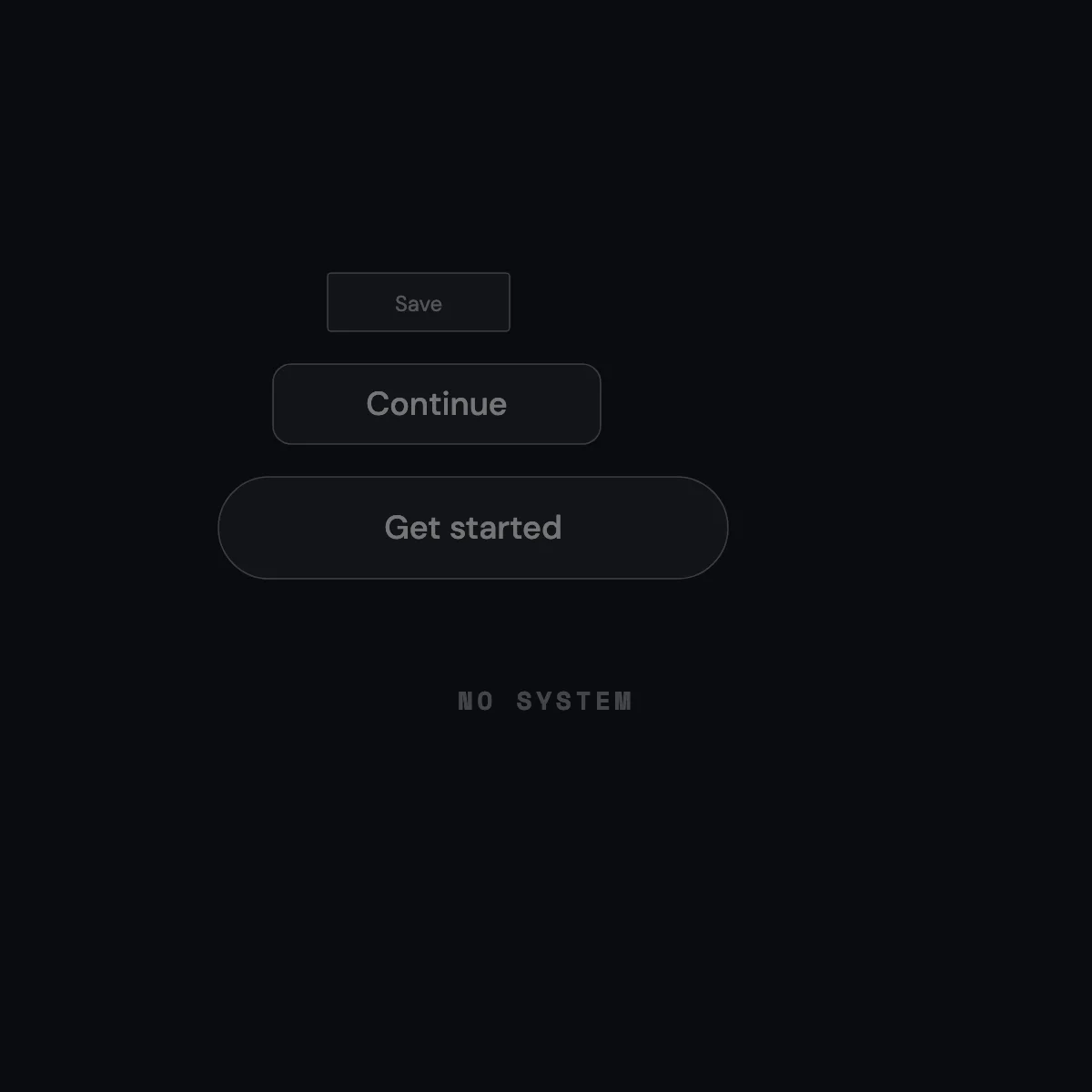
No source of truth. Each prompt is a new snowflake. Buttons drift. Spacing is “whatever the model liked today.” There is no component library to extend, only a folder of generated files.
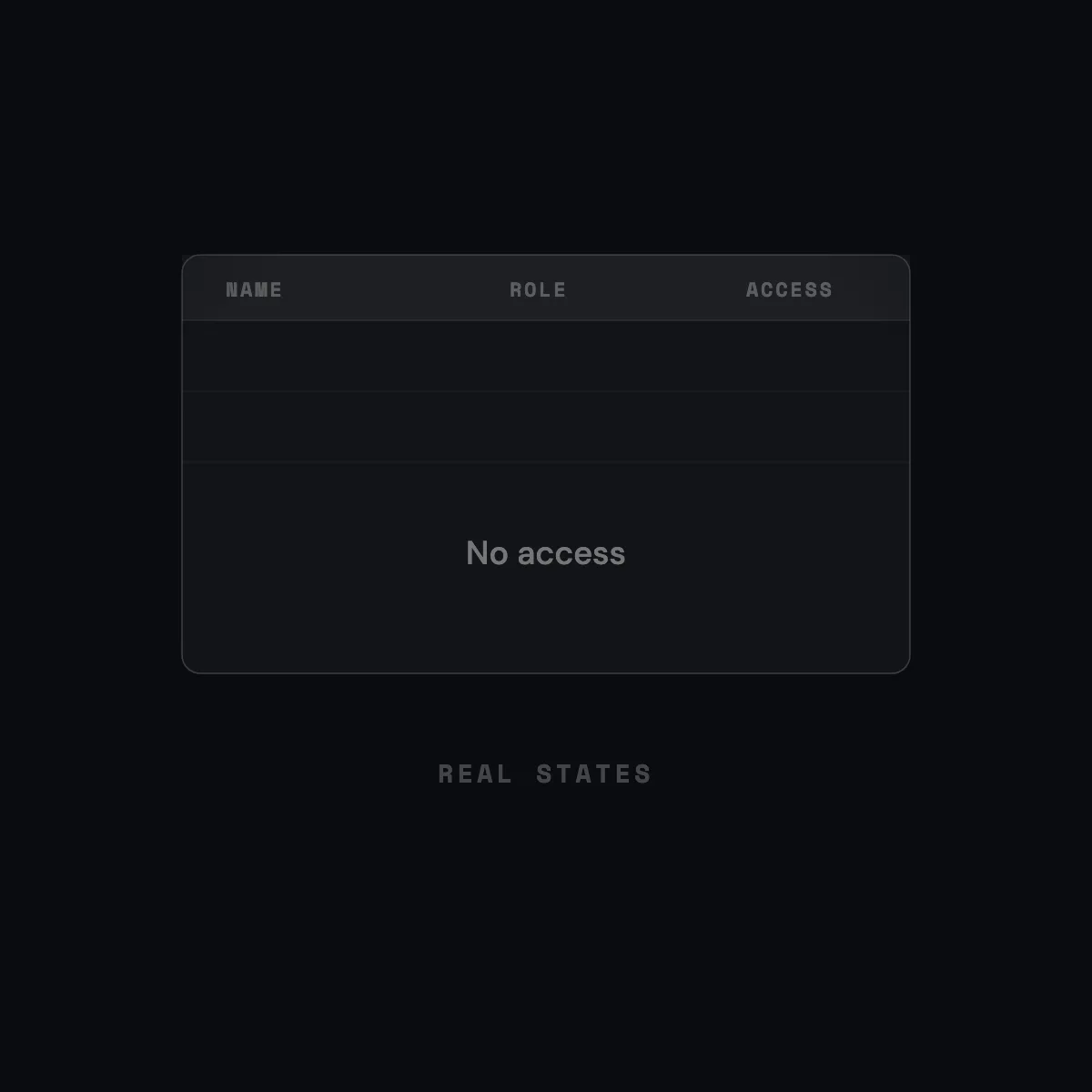
Happy path only. Generators are trained on marketing sites and dashboard templates. Edge states, empty tables, permission errors, and long real-world copy are where B2B products actually live.
Accessibility is optional until a client or procurement checklist says otherwise. Contrast, focus order, forms, and keyboard paths are not a vibe. They are a pass or a fail.
The stack is implied, not chosen. You inherit whatever the tool likes this month. Six months later you cannot swap the design without throwing the front-end away.
Nobody owns the decisions. The founder liked the hero. Engineering inherited the CSS. There is no record of why the nav works that way, so every change is an argument.
That is why “who can help a UK founder implement AI without hiring a full team?” is the wrong first question if the AI in question is only a UI generator. You still need a senior person who will stop the demo becoming the product.
What a design-led partner actually does with these tools
A serious UX agency UK practice uses the generators as a speed layer, then applies judgement the model does not have.
| Layer | What “good” looks like |
|---|---|
| Intent | Who it is for, what success is, what must not break |
| Structure | IA, user journeys, and states the prompt never saw |
| System | Components, tokens, and rules a team can reuse |
| Proof | Accessibility, real content, and a path into engineering |
| Handoff | Something you can maintain when the prompt window is closed |
At New Brand Media, that work sits in visual UI and design systems and AI-enhanced UX. We will use the tools. We will not pretend a generated mock-up is a product.
You do not need a 20-person design org. You need someone who has shipped B2B interfaces and will still be there when the first real customer hits an error state.
How to evaluate a vibe-coded prototype
Treat the file like a proposal. Check:
- Can you name the user and the job in one paragraph?
- Are empty, error, and permission states designed, or only the hero?
- Is there a component list, or only pages?
- Can a developer change one button without regenerating the app?
- Has anyone tried it with a keyboard, a screen reader, or a long company name?
Red flags: “we will tidy accessibility later,” a unique layout on every page, lock-in to one generator with no export, and no owner after the demo day.
Frequently asked questions
Is vibe coding a waste of time?
No. It is a fast spike. It is a waste when it becomes the production UI without a system, states, or an owner.
Can I ship a Lovable or v0 app to customers?
You can ship a thin marketing page. A B2B product with accounts, data, and procurement will need structure the generator did not invent. Budget for that layer.
Do I need a UX agency if I already have a generated UI?
Yes, if the next step is production. Bring the file. A good partner will keep what works and replace what will not survive contact with users.
How is this different from hiring a freelancer to “make it pretty”?
Pretty is the easy part now. The work is system, states, and handoff. If the brief is only visual polish, you will be back in three months.
Where does AI automation fit?
If the problem is messy operations and unofficial agents, that is an AI operations conversation. If the problem is an interface that looks finished and is not, start with UX and a design system.
Next step
The short version: generators are excellent at a first screen and weak at a product. The variable that matters is whether you treat the output as a spike or as the system.
Do not hire a team to redraw what the model already drew. Spend the first money on intent, states, and a source of truth you can still change in six months.
Book a free call and you will speak to Jonathan Porter, not a salesperson. If you would rather start in writing, ask a question and we will reply within four working hours. No obligation. No hard sell.
Related reading
- Visual UI and design systems: components and rules a product team can actually reuse.
- AI-enhanced UX: using generation as speed, not as the design.
- How much does branding cost in the UK?: when the problem is the offer, not the UI kit.
Evidence last reviewed June 2026. Tool names are examples of a category, not a recommendation to buy any one of them.